
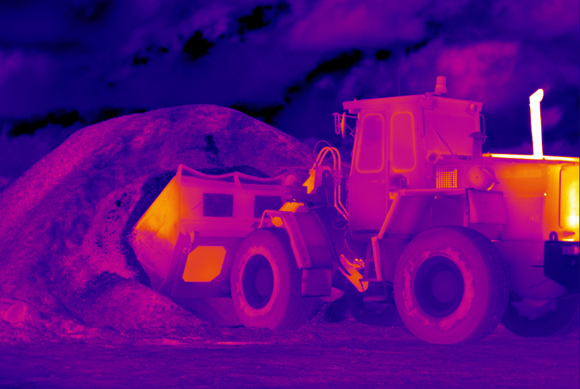
Why Thermal Imaging, Why Now?
In a world where visibility means more than what the eye can see, thermal imaging is unlocking a new layer of understanding. From energy efficiency to emergency response, industries are turning to infrared technology to detect problems before they escalate.
Thermal imaging doesn’t just help you see in the dark — it helps you see the invisible.
What Is Thermal Imaging?
Thermal imaging uses infrared sensors to detect heat emitted by objects and convert it into a visible image. Everything gives off thermal energy — even cold surfaces — and thermal cameras transform those differences into colour-coded visuals.
These images allow professionals to instantly identify:
Hotspots
Leaks or moisture
Electrical faults
Mechanical wear
It’s a tool for real-time, non-contact diagnostics — from buildings and machinery to people and wildlife. – Doctor John Dunlop
Limitations of Thermal Imaging
Thermal imaging is powerful and versatile, but like any technology, it has important considerations:
Cost Can Be High
Professional-grade thermal systems can be expensive, especially with high resolution and wide temperature ranges.
Lower Image Detail
Thermal cameras don’t capture visual details like a standard camera — identifying objects requires experience or pairing with visual imaging.
Environmental Interference
Fog, rain, steam, or reflective surfaces can affect accuracy and obscure readings.🎯 Limited Temperature Range
Some entry-level cameras struggle in high-heat or extreme cold environments — ensure the spec fits your application.
Interpreting Data Takes Skill
Accurate use often depends on trained operators who understand how to read and interpret thermal patterns.
Not a Standalone Solution
Thermal imaging is most effective when combined with context, visible-light inspection, or analytics — especially for diagnostics or automation.
Misuse Can Lead to Missed Faults
If poorly positioned or misconfigured, a thermal camera may miss critical heat patterns or deliver false positives.
How Bytronic Helps
At Bytronic, we go beyond supplying thermal systems — we design intelligent thermal imaging solutions tailored to your operations and goals:
Solution Engineering
We integrate thermal cameras into broader automation systems, ensuring proper placement, triggering, and performance.
Real-Time Actionability
Our systems turn thermal data into real-time alerts, alarms, or automated actions — reducing response time and risk.
Application-Specific Expertise
Whether it’s food production, fire prevention, or electrical inspection, we deliver systems proven in real-world environments.
Insight from Imaging
Bytronic doesn’t just deliver images — we deliver insights. Our technology converts raw data into dashboards, reports, and actionable metrics.
How Thermal Cameras Work
Here’s how a thermal camera turns heat into insight:
- Thermal Sensors detect infrared radiation from the scene.
- The Lens focuses this radiation onto the detector.
- A Processor converts thermal data into image format.
- The Display shows a colour-coded image where temperatures are mapped — red for hot, blue for cold.
Even subtle variations in temperature become instantly visible, making it ideal for inspection, safety, and monitoring.